When to Apply Pre-Emergent Herbicide (By Zone and Soil Temperature)
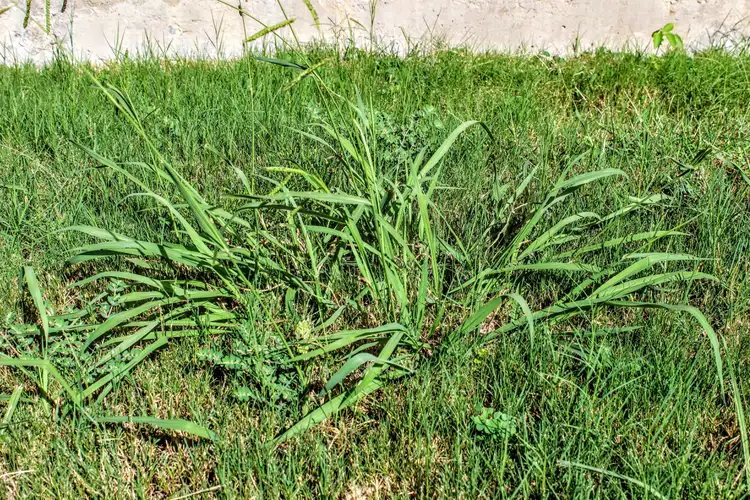
Every spring I see the same thing. Someone posts a picture of their crabgrass-covered lawn in July and asks what they can do about it. The answer is nothing. That battle was lost in March.
Pre-emergent herbicide is the most time-sensitive product in lawn care. Get the timing right and you stop weeds before they exist. Get it wrong and you've spent money on a product that did nothing. This guide covers exactly when to apply based on where you live and what's actually happening in your soil.
How Pre-Emergent Actually Works
Pre-emergent herbicide doesn't kill weeds. It kills weed seeds as they germinate. There's a difference.
When a weed seed starts to sprout, it sends out a tiny root. The herbicide creates a barrier in the soil that the root hits. Cell division stops. The seedling dies before it ever breaks the surface.
Once a weed has germinated and is visible above ground, pre-emergent is useless. You need a post-emergent at that point, which is a different product with different rules.
This is why timing is everything. The barrier has to be in the soil before the seeds try to grow. Not after. Not at the same time. Before.
Most pre-emergent products provide 8 to 12 weeks of coverage depending on the rate you apply and how much rain you get. The barrier degrades over time regardless of whether weeds are present. Apply too early in winter and it breaks down before weeds even try to germinate in spring.
Why Soil Temperature Is the Only Number That Matters
Crabgrass doesn't read the calendar. It germinates when conditions in the soil are right, and the primary condition is temperature.
Research from Michigan State University shows that 80% of crabgrass germination occurs when soil temperatures at 0 to 2 inch depth are consistently between 60 and 70 degrees. You want your barrier in the ground before that window opens.
The target for spring application is 55 degrees Fahrenheit at 2 to 4 inches depth, sustained for several consecutive days. That's when you apply. Not February 15th. Not when your neighbor does it. When your soil hits 55.
Air temperature is not the same as soil temperature. This is the mistake most people make. A warm week in February doesn't mean your soil is warm. Soil temperature lags behind air temperature, sometimes by weeks, especially in the North. You can have 65 degree days in March with soil that's still sitting at 42 degrees.
How to check soil temperature
A basic soil thermometer costs about $10 at any garden center. Push it 2 to 3 inches into the ground in the morning. Do it for three or four consecutive days. When you're consistently seeing 50 to 55 degrees, it's time.
No thermometer? You can check it right now.
Check your current soil temperature with our free lookup tool → getturf.app/tools/soil-temperature
Spring Timing by Zone
Here's the approximate window for spring pre-emergent by USDA hardiness zone. These are soil temperature targets, not calendar guarantees. A cold spring pushes everything later. A warm spring pushes it earlier.
Zone 5 (Upper Midwest, northern New England, parts of New York and Pennsylvania)
Target soil temp: 50 to 55 degrees
Approximate timing: Late March through late April
Some years this slides into early May. Don't rush it. Applying before soil is consistently warm means your product may degrade before crabgrass even tries to germinate.
Zone 6 (Mid-Atlantic, Ohio Valley, lower New England, Pacific Northwest)
Target soil temp: 50 to 55 degrees
Approximate timing: Mid-March through mid-April
Zone 6 is a wide zone with a lot of variation. A lawn in Louisville is going to warm up faster than one in Columbus. Watch your soil temps.
Zone 7 (Carolinas, Tennessee, northern Georgia, Virginia, northern Texas)
Target soil temp: 50 to 55 degrees
Approximate timing: Late February through mid-March
This is the transition zone. Tall fescue and Bermuda both live here, and they have different needs. Cool season lawns need protection before soil temps rise. Warm season lawns are dormant but crabgrass will try to germinate as soon as conditions allow.
Zone 8 (Pacific Northwest coast, lower Southeast, central Texas, Georgia coast)
Target soil temp: 50 to 55 degrees
Approximate timing: Mid-February through early March
Soils warm faster here. Don't wait until you feel like it's spring. Watch the numbers.
Zone 9 (Central Florida, Gulf Coast, Southern California)
Target soil temp: 50 to 55 degrees
Approximate timing: Late January through mid-February
Warm-season lawns dominate here and the weed pressure is year-round. Some Zone 9 homeowners need a third application to maintain coverage through the full season.
One thing all zones have in common: if you can already see crabgrass, you're too late for pre-emergent. Switch to a post-emergent that lists crabgrass on the label.
Which Product to Use in Spring
Two active ingredients dominate the DIY pre-emergent market.
Prodiamine (sold as Barricade)
Long residual. Best for early spring applications because it holds longer. Available in granular and water-dispersible granule forms. The WDG form is what most serious DIYers use as a liquid application. If you can only do one application, use Prodiamine.
Dithiopyr (sold as Dimension)
Shorter residual than Prodiamine, but it has one advantage: it provides some post-emergent control on very young crabgrass seedlings at the first to third leaf stage. If you missed the ideal window slightly, Dimension gives you a small safety net. Often used as the second application in a split program.
Both are widely available online and at farm supply stores. Read the label for rates. More is not better. Applying above the labeled rate doesn't extend coverage and can cause turf damage.
Fall Timing and Why Most People Skip It
Most homeowners only think about pre-emergent in spring. That's half the battle.
Fall pre-emergent targets a different set of weeds: cool-season annuals like annual bluegrass (Poa annua), henbit, and chickweed. These germinate in fall, survive the winter as small plants, and then explode in early spring before you can do anything about them.
The trigger for fall application is the reverse of spring. You want to apply when soil temperatures drop back to 70 degrees. This typically happens between August and October depending on your zone.
Fall timing by zone:
Zone 5: Mid-September to early October
Zone 6: Mid-September to late September
Zone 7: Late September to mid-October
Zone 8: Early October to late October
Zone 9: Mid-October to mid-November
If you're in Zone 7 or colder and you skip fall pre-emergent, you'll be fighting Poa annua all winter and spring. It's a miserable weed and prevention is far easier than treatment.
One important note on fall: if you're overseeding cool-season grass in fall, you cannot apply pre-emergent at the same time. Pre-emergent doesn't know the difference between crabgrass seed and fescue seed. It will kill both. Plan your overseeding and fall pre-emergent so they don't overlap.
Split Applications
A single application at the right time provides 8 to 12 weeks of coverage. In most climates that's enough for spring. But some warm-season zones have crabgrass germination windows that run longer than 12 weeks.
The professional approach is a split application program:
First application: When soil hits 50 to 52 degrees. Half to two-thirds of your target annual rate.Second application: 6 to 8 weeks later or when soil approaches 65 to 70 degrees. Remaining rate.
The split program extends coverage through the full germination window without applying more than the labeled annual maximum in one shot. It also gives you a backup if you applied slightly early and your first application begins to degrade.
Prodiamine has an annual maximum rate listed on the label. Track what you've applied. You can't exceed that limit even across multiple applications.
What You Can't Do After Applying
Pre-emergent doesn't discriminate between weed seeds and grass seed. If you've applied pre-emergent, you cannot overseed for at least 6 to 8 weeks, sometimes longer depending on the product. Check your specific label.
For cool-season lawns in the transition zone, this creates a real scheduling conflict. Spring is a tempting time to overseed thin areas, but if you apply Prodiamine in March for crabgrass prevention, you've blocked yourself from seeding until May or June. By then it's too hot for successful cool-season germination.
The clean solution for cool-season lawns: do your major overseeding in fall and save the pre-emergent for spring only. If you absolutely need to seed in spring, skip the pre-emergent that year and deal with whatever weeds come through.
FAQ
What happens if I apply pre-emergent too early?
The product will degrade before weed seeds germinate, leaving your lawn unprotected during the actual germination window. Most products break down within 8 to 12 weeks. Apply at 40 degrees in January and your coverage is gone before crabgrass even wakes up in April.
What happens if I apply too late?
If soil temperatures are already above 55 to 60 degrees consistently, many weed seeds have already started germinating. Pre-emergent won't control weeds that have already sprouted. You need a post-emergent herbicide at that point.
Does rain affect pre-emergent application?
Light rain after application actually helps. Granular pre-emergents need to be watered in within 24 hours to activate. Light rain does that job. Heavy rain right after application can wash the product away before it activates. Avoid applying immediately before heavy rain events.
Can I apply pre-emergent to a lawn I just overseeded?
No. Wait until new grass has germinated and been mowed at least two to three times before applying pre-emergent. The product will prevent your grass seed from germinating the same as it prevents weed seed.
How do I know if my pre-emergent is still working?
You don't, exactly. The visual indicator is weeds not appearing. Most products provide 8 to 12 weeks of coverage. If you see crabgrass starting to appear before that window is up, you either applied too late, didn't apply enough, or a heavy rain event washed the barrier before it set.
See all weed control guides → getturf.app/guides/weed-control