What Is Soil Temperature and Why It Matters for Lawn Care
Most lawn care advice is built around the calendar. Apply pre-emergent in March. Fertilize in spring. Overseed in fall.
The calendar is a guess. Soil temperature is the actual answer.
Every biological process in your lawn has a temperature trigger. Grass roots grow, weeds germinate, fertilizer activates, and seeds sprout based on what's happening in the soil, not what month it is. A cold spring pushes all of those triggers back by weeks. A warm fall extends the season longer than most people expect.
If you're timing applications by the date, you're gambling. If you're timing them by soil temperature, you're doing what professional turf managers do.
Check your current soil temperature with our free lookup tool → getturf.app/tools/soil-temperature
Why Soil Temperature Is Different From Air Temperature
This is the part most people miss.
Soil temperature and air temperature do not move together. The soil acts like a slow-moving heat sink. It absorbs warmth gradually through the season and releases it gradually as temperatures drop. Air temperature swings wildly from day to night and week to week. Soil doesn't.
In spring, the air can warm up significantly before the soil catches up. You might see 60 degree days in late February but have soil that's still sitting at 40 degrees. Fertilizing a lawn when the soil is 40 degrees is a waste. The grass isn't growing. It can't use what you're putting down.
In fall, the opposite happens. Air temperatures drop first. But the soil holds heat from summer for weeks after. This is why fall is an excellent time for overseeding and fertilizing cool-season grasses. The soil is still warm enough to support germination and root growth even when the air feels cold.
Always measure soil temperature, not air temperature, before making a timing decision.
How to Check Your Soil Temperature
Two options.
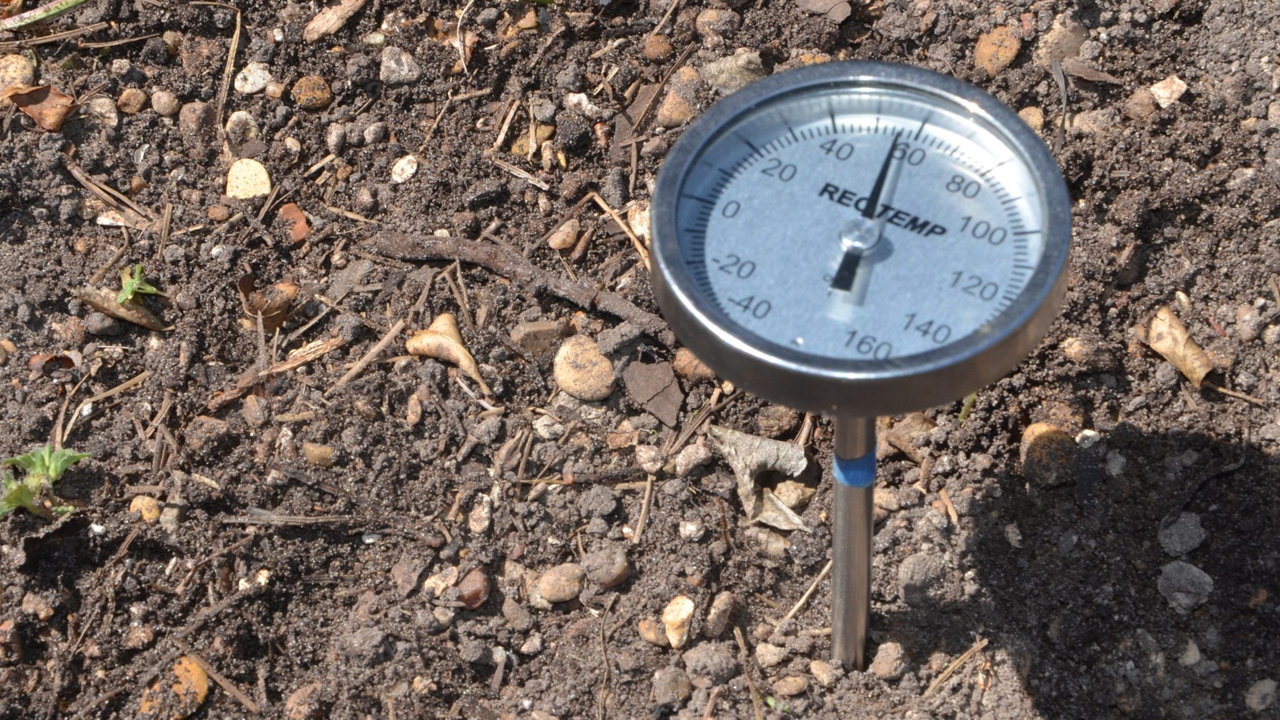
Soil thermometer: A basic probe thermometer from any garden center costs around $10. Push it 2 to 3 inches into the ground in the morning, before the sun has had time to warm the surface. Take readings over 3 to 4 consecutive days. The average is more useful than a single reading.
Greencast: Syngenta's Greencastonline.com publishes soil temperature data by zip code updated daily. This is the same data professional turf managers use. It's free and takes 30 seconds to check.
Turf also shows your real-time soil temperature automatically once you enter your zip code.
Key Soil Temperature Thresholds
These are the numbers that actually drive lawn care decisions. Every number refers to soil temperature at 2 to 4 inches depth.
Cool-Season Grasses (Tall Fescue, Kentucky Bluegrass, Fine Fescue)
32 to 40°F: Dormant. No meaningful growth. Don't apply anything.
40 to 50°F: Root growth begins very slowly. Still too cold for most applications.
50 to 55°F: Crabgrass and other weed seeds begin germinating. Apply pre-emergent before this threshold.
50 to 65°F: Optimal range for root growth. This is the best window for overseeding and fall fertilization.
60 to 75°F: Optimal range for shoot growth. Grass is actively growing and using fertilizer efficiently.
70°F: Good time for late summer overseeding before temperatures drop.
77°F: Root growth begins to slow and decline.
85°F+: Root damage begins. Cool-season grasses under heat stress. Avoid nitrogen fertilization.
90°F: Shoot growth ceases. Grass may go dormant.
Warm-Season Grasses (Bermuda, Zoysia, St. Augustine)
50°F: Chilling injury possible. Discoloration may occur.
55°F: Dormancy begins in fall. End of the growing season.
65°F: Minimum threshold for active growth. First fertilizer application of the year.
65 to 70°F: Green-up begins. Grass is waking up but not fully active.
74°F: Good timing for overseeding Bermuda with ryegrass in fall.
75 to 85°F: Optimal root growth range.
80 to 90°F: Optimal shoot growth. Peak growing season.
110°F: Root growth ceases.
Why the Calendar Fails
A calendar-based approach assumes the same thing happens every year at the same time. It doesn't.
In Atlanta, GA soil temperatures can hit 55 degrees in late February. Homeowners following a generic March timing recommendation are already behind. Crabgrass is germinating while they're still waiting for the calendar to say go.
In Charlotte, NC the window is less predictable because it sits in the transition zone. A cold year pushes soil temperatures back to late March. A warm year gets there in early March. Applying on a fixed date means you're early half the time and late the other half.
In Dallas, TX warm-season grasses dominate and the growing season starts earlier than most people expect. Bermuda lawns that get fertilized before soil temperatures hit 65 degrees see the nitrogen feed weeds instead of grass. The calendar says spring. The soil says wait.
The soil temperature threshold gives you a consistent, accurate trigger regardless of how the season unfolds or where you live. You apply when conditions are right, not when a date on a bag says to.
Professional sports turf managers, golf course superintendents, and university extension programs all use soil temperature as the primary timing reference. The calendar is a secondary rough guide at best.
The One Thing That Changes When You Track Soil Temperature
Your applications start working.
Pre-emergent applied at the right soil temperature forms a complete barrier before weed seeds try to germinate. Fertilizer applied at the right soil temperature gets taken up by active roots instead of sitting in the soil doing nothing. Overseeding done at the right soil temperature gives new grass the warmth it needs to germinate and establish before conditions change.
Everything in lawn care has a temperature window. Know your soil temperature and you know exactly where you are in that window.
FAQ
How deep should I measure soil temperature?
2 to 4 inches is the standard reference depth for most lawn care timing decisions. Seed germination happens near the surface, so 2 inches is appropriate for pre-emergent and seeding timing. Root activity is better assessed at 4 inches.
Does soil temperature vary across my lawn?
Yes. Areas along pavement and driveways warm faster because the hardscape absorbs and radiates heat. Shaded areas stay cooler longer. South-facing slopes warm earlier in spring. Take readings in the area you're treating rather than assuming the whole lawn is the same.
How often should I check soil temperature?
During spring green-up and fall wind-down, check every few days. Once you're solidly in the main growing season and temperatures are stable, weekly is fine.
Can I use a meat thermometer?
Yes. An instant-read kitchen thermometer works. Push it into the soil rather than laying it on the surface, and measure in the morning before direct sun hits.
See all seasonal guides → getturf.app/guides/seasonal