What Is My USDA Hardiness Zone and Why Does It Matter for Lawn Care
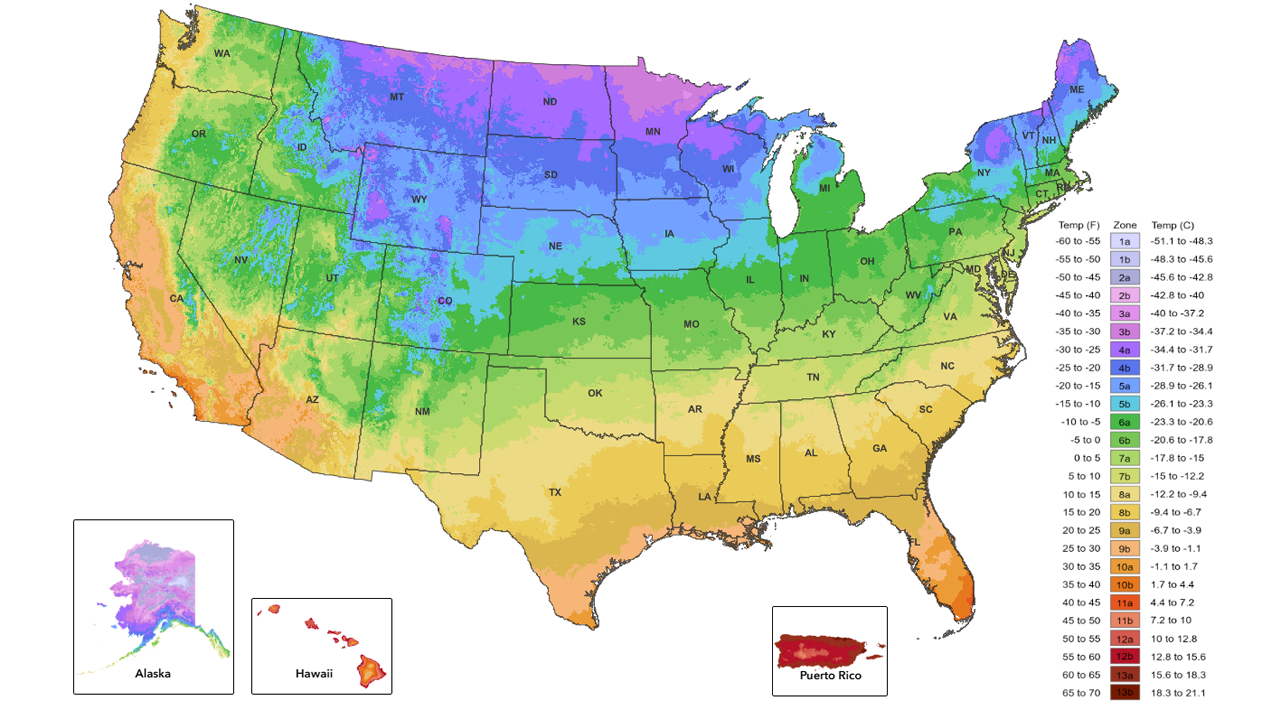
Your USDA hardiness zone is a number between 1 and 13 assigned to your location based on the average minimum winter temperature. Zone 1 is the coldest. Zone 13 is the warmest. Most lawns in the continental US sit somewhere between Zone 4 and Zone 10.
It's one of the first things Turf asks you for. Here's why it matters.
What the Zone Number Actually Tells You
The zone tells you how cold your winters get on average. That single piece of information determines which grass types can survive in your area, when your growing season starts and ends, and what your lawn care timeline looks like.
A Bermuda grass lawn in Zone 6 is going to struggle. Bermuda goes dormant around 55 degrees soil temperature and can suffer cold damage when temperatures stay consistently low. A homeowner in Zone 6 who plants Bermuda is fighting their climate every year instead of working with it.
A Tall Fescue lawn in Zone 9 has the opposite problem. Cool-season grasses like Fescue want cool temperatures for root growth. Zone 9 summers are brutal for them. Keeping a Fescue lawn alive through a Zone 9 summer requires constant water and stress management.
The zone is the starting point for every lawn care decision. Get it right and you're working with your climate. Get it wrong and you're spending money fighting it.
How to Find Your Zone
Go to planthardiness.ars.usda.gov and enter your zip code. The USDA updated the map in 2023 using 30 years of temperature data. Takes about 30 seconds.
Turf finds your zone automatically when you enter your zip code during setup.
Which Grass Types Belong in Which Zones
This is the most practical use of zone information for lawn owners.
Zones 3 to 5 — Cool-Season Only
Winters are too cold for warm-season grasses to survive. Kentucky Bluegrass, Tall Fescue, Fine Fescue, and Perennial Ryegrass are your options. These grasses go dormant in summer heat but thrive in spring and fall. States in this range include Minnesota, Wisconsin, Michigan, upstate New York, and most of New England.
Zones 6 to 7 — Cool-Season Dominant, Some Warm-Season Possible
This is where most of the mid-Atlantic and upper South falls. Virginia, North Carolina, Tennessee, Kansas, Missouri. Cool-season grasses are the standard choice. Tall Fescue is particularly well-suited here. Zoysia can survive Zone 6 winters in established lawns and is increasingly popular in Zone 7. Bermuda is possible in the warmer parts of Zone 7 but marginal in Zone 6.
Zone 7b to 8 — Transition Zone
This is the most complicated zone for lawn care. Charlotte, NC sits here. So does northern Georgia, northern Texas, and parts of the Pacific Northwest. Both warm-season and cool-season grasses can survive, but neither thrives year-round. Tall Fescue is common in this zone. Bermuda and Zoysia are also widely grown. The right choice depends on your sun exposure, irrigation setup, and tolerance for dormancy periods.
Zones 8 to 9 — Warm-Season Dominant
Atlanta, Dallas, Houston, Phoenix, coastal California. Warm-season grasses are the right choice. Bermuda, Zoysia, St. Augustine, and Centipede all thrive here. Cool-season grasses struggle through the summer. St. Augustine becomes viable starting in Zone 8 and is extremely common in Zone 9.
Zone 9 to 10 — Warm-Season Only
South Florida, southern Texas, southern California, Hawaii. Bermuda, St. Augustine, Zoysia, Bahia, and Centipede. Cool-season grasses have no business being here. Winters are too mild to give cool-season grasses the dormancy period they need to reset.
Why Zone Matters for Timing, Not Just Grass Selection
Your zone also shapes your lawn care calendar. The growing season in Zone 5 looks completely different from Zone 9.
In Zone 5, soil temperatures don't hit 50 degrees until late April in many years. Pre-emergent herbicide timing, fertilizer timing, and overseeding windows are all compressed into a shorter season. Make a timing mistake and you've lost weeks of the growing season.
In Zone 9, the growing season runs almost year-round for warm-season grasses. But the timing windows are still real. Bermuda needs soil temps above 65 degrees before you fertilize. Pre-emergent needs to go down before soil temps hit 55 in late winter, which in Zone 9 means February in some years.
The zone tells you the general shape of your season. Soil temperature tells you exactly where you are in it. Use both.
The Transition Zone Problem
If you're in Zones 7 to 8, you're in what turf professionals call the transition zone. It's the hardest zone to manage a lawn in because no grass type is perfectly adapted to it.
Cool-season grasses go dormant and brown in summer. Warm-season grasses go dormant and brown in winter. You're picking which dormancy period bothers you less.
Most homeowners in the transition zone end up with one of three approaches. First is Tall Fescue, which stays green year-round with enough water but struggles in extreme summer heat. Second is Bermuda or Zoysia, which looks great from late spring through fall but goes brown in winter. Third is Bermuda overseeded with Perennial Ryegrass in fall, which gives year-round green at the cost of more management.
There's no perfect answer in the transition zone. There's just the right trade-off for your priorities.
FAQ
Is my USDA zone the same as my lawn care zone?
Close but not exactly the same. The USDA map is based on minimum winter temperatures. Turf professionals also consider summer heat, rainfall patterns, and humidity when making grass recommendations. Your zone is the right starting point but local conditions matter too.
My zone changed in the 2023 update. Does that change my grass selection?
Maybe. The 2023 update shifted about half the country roughly half a zone warmer. If you moved from Zone 6b to Zone 7a, warm-season grasses like Zoysia become slightly more viable. But one zone change doesn't dramatically alter what works in your area. Your neighbors' lawns are the best evidence of what actually survives.
Can I grow Bermuda in Zone 6?
In the warmer parts of Zone 6b, established Bermuda lawns can survive, but they're at the edge of their cold tolerance. A bad winter can kill them back significantly. Most turf professionals wouldn't recommend Bermuda as the primary grass in Zone 6.
What if I'm right on the border between two zones?
Look at your zip code specifically rather than going by your general region. The USDA map has enough resolution that neighboring zip codes can be in different half-zones. Your zip code is the right reference point.
See all seasonal guides → getturf.app/guides/seasonal