How to Identify and Kill Crabgrass (Before It Takes Over)
By the time most people notice crabgrass, it's already winning.
That's the problem with this weed. It starts small in late spring, blends in with your lawn, and by July it's a sprawling mess producing seeds by the thousands. One plant can produce up to 150,000 seeds in a single season. Those seeds stay viable in your soil for years.
You don't beat crabgrass by killing it in summer. You beat it in spring, before it exists.
This guide covers both: how to stop it before it germinates, and what to do if you're already looking at it in your lawn.
What Crabgrass Actually Looks Like
Most people misidentify crabgrass. If you're seeing a weedy grass in April or May, it probably isn't crabgrass. Crabgrass doesn't germinate until soil temperatures reach 55 degrees Fahrenheit, which in most zones means late spring at the earliest.
Here's what you're actually looking for:
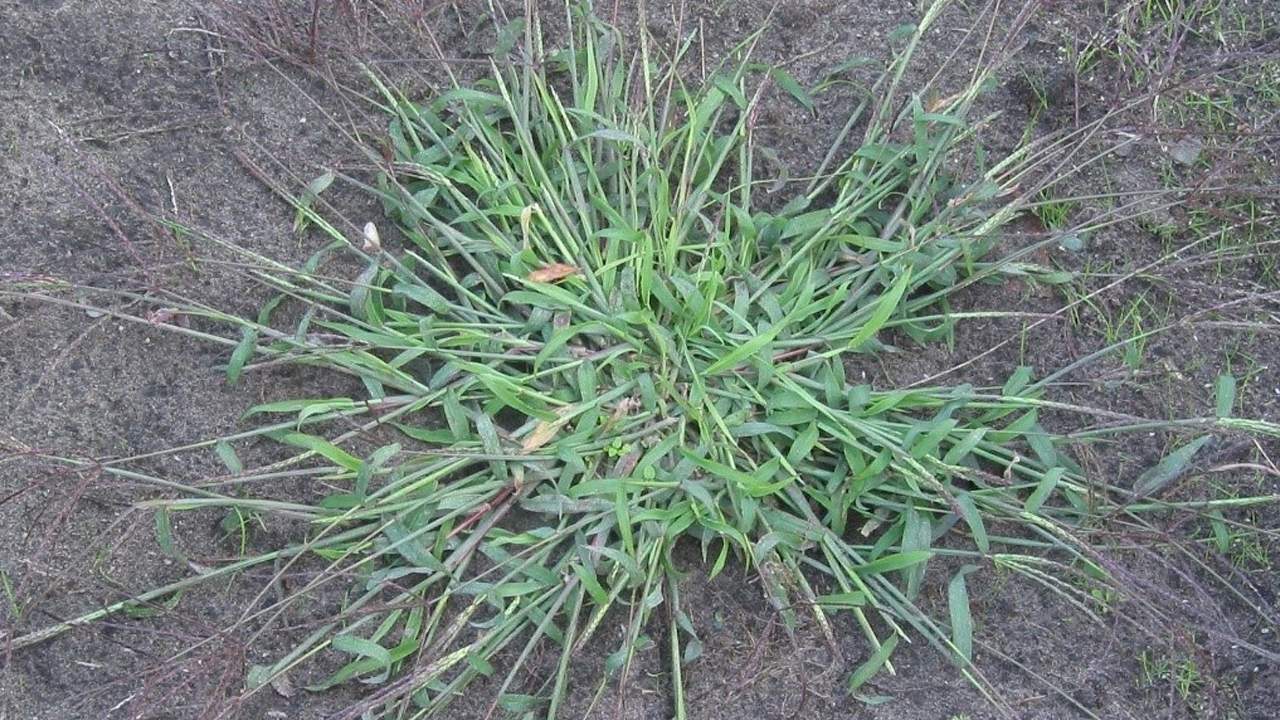
Color: Light green to yellow-green. Noticeably lighter than your turf grass. Older plants sometimes show reddish coloring at the base.
Leaf blades: Wide and flat compared to most lawn grasses. There's a distinct mid-rib running down the center.
Growth habit: Low and spreading. It grows outward from a central point in a crab-like pattern, which is where the name comes from.
Seedheads: In late summer, crabgrass sends up finger-like seed stalks that fan out from a central point. At this stage it's unmistakable.
Where it shows up first: Edges along driveways and sidewalks where soil is warmer. Thin spots where your turf has gaps. Areas with compacted soil.
If you're not sure, the Turf app's Weed ID feature will confirm it from a photo in seconds.
Why Crabgrass Is Hard to Kill Once It's Up
Crabgrass is an annual. It germinates in spring, grows through summer, sets seed in late summer, and dies at first frost. But those seeds stay behind. If one plant goes to seed, you're fighting a much larger problem next year.
The biology works against you once plants are established. Post-emergent herbicides are only effective on young crabgrass, typically before the plant reaches the 3 to 5 leaf stage. After that, treatment becomes progressively less effective. Large, well-established crabgrass plants are extremely difficult to kill selectively without damaging your turf.
This is why prevention is the only real strategy.
How to Stop Crabgrass Before It Germinates
Pre-emergent herbicide applied at the right time is the most effective tool you have. The right time is when soil temperatures consistently reach 50 to 55 degrees Fahrenheit, before germination begins.
Apply too early and the product degrades before crabgrass tries to germinate. Apply too late and you've missed the window entirely.
Two active ingredients work well for DIY applications:
Prodiamine (Barricade): Long residual. Best for early spring applications. Use this as your primary application.
Dithiopyr (Dimension): Slightly shorter residual but has early post-emergent activity on crabgrass seedlings with fewer than five leaves. Good for a second application or if you've missed the ideal timing slightly.
Apply at the rates listed on the label. More product doesn't mean more protection. It means more risk of turf damage and more money wasted.
What to Do If Crabgrass Is Already Up
If you can see crabgrass, you need a post-emergent. Your options depend on how far along the plants are.
Young plants (fewer than 5 leaves): Quinclorac is the primary post-emergent option available to homeowners. Products like Ortho Weed B Gon Plus Crabgrass Control or Roundup for Lawns contain it. Apply when plants are small and actively growing.
Important: Check the label for your grass type before applying. St. Augustine and centipede grass are sensitive to herbicides that are safe on other turf types. Some products cannot be used when temperatures are above 85 degrees Fahrenheit.
Large, established plants: Selective control is difficult. Spot treating with a non-selective herbicide like glyphosate will kill the plant but also kills your turf. You'll need to reseed those areas in fall.
Late summer: Don't bother spraying. The plant is almost done anyway. Focus on preventing it from going to seed. Cut the seedheads off before they mature and dispose of them. Your pre-emergent next spring is what actually solves the problem.
The Long Game
Crabgrass thrives in weak turf. Thin grass, compacted soil, and low mowing heights all give it the sunlight and space it needs to germinate and spread.
Raising your mowing height to 3 inches or above shades the soil and significantly reduces crabgrass germination. Research from the University of Illinois showed that lawns mowed higher consistently have less crabgrass pressure than close-mowed lawns.
Overseed thin areas in fall. Crabgrass can't compete with dense, healthy turf. A thick lawn is the best long-term defense you have.
Pre-emergent in spring handles the seeds. Dense turf handles the rest.
FAQ
Can I apply pre-emergent and overseed at the same time?
No. Pre-emergent doesn't know the difference between crabgrass seed and grass seed. It will prevent both from germinating. Wait at least 6 to 8 weeks after applying pre-emergent before overseeding, or skip the pre-emergent that year and handle crabgrass with post-emergent if it appears.
Will crabgrass come back after it dies in fall?
The plant dies at frost. But the seeds it produced stay in the soil and germinate next spring. That's why consistent pre-emergent programs are necessary. One good year doesn't solve the problem permanently.
Is the crabgrass dead or dormant in winter?
Dead. Crabgrass is an annual. What you're seeing in a brown lawn in winter is not dormant crabgrass. It's dead crabgrass. The threat for next year is the seeds, not the plant.
My lawn is completely overrun. What do I do?
If the infestation is severe, fall renovation may be the most practical option. Kill everything with a non-selective herbicide in late summer, wait for the crabgrass to die at frost, then overseed in September. Start a pre-emergent program the following spring.
See all weed control guides → getturf.app/guides/weed-control